
Queensland's new waste strategy: Three questions that will shape Australia's circular economy
Key Takeaways:
Queensland’s Less Landfill, More Recycling 2035 strategy sets a clear direction for reducing landfill and increasing resource recovery across the state.
Making recycling easier is essential to increasing resource recovery. Clearer recycling systems, better education, simpler packaging and stronger product stewardship can reduce contamination and improve the quality of materials available for recycling.
Queensland’s circular economy ambitions require investment across the whole resource recovery system. More processing capacity, innovative infrastructure and reliable end markets are needed to recover greater value from organics, plastics and residual waste and reduce reliance on landfill.
From landfill to resource recovery
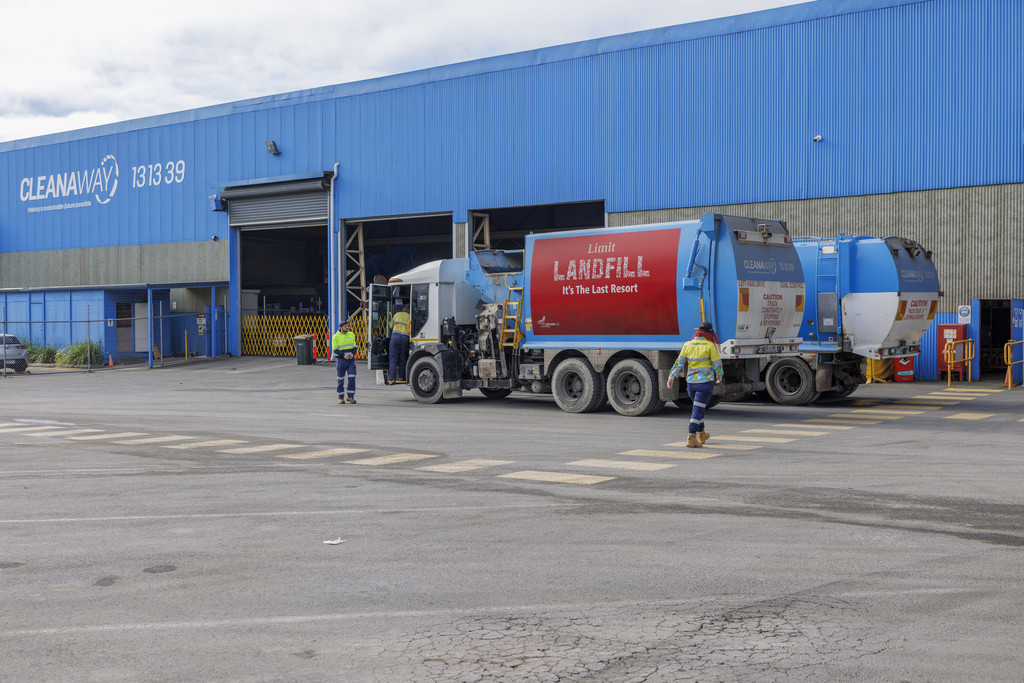
Queensland's Less Landfill, More Recycling 2035 strategy sets out a long-term vision for how the state can reduce waste to landfill by 65% in 2035. Among its priorities are making recycling easier, recovering more value from waste, and building the infrastructure and markets needed to support a circular economy.
These priorities have particular relevance for Cleanaway and the wider resource recovery sector. In this article, we explore what the priorities mean in practice, why they matter and what will be needed to turn Queensland’s ambitions into outcomes.
How do we make recycling easier?
Queensland's strategy acknowledges that making recycling easier through clearer systems, better education and reduced contamination will be essential to increasing resource recovery.
Why does this matter? Every incorrectly sorted item reduces the quality of recovered materials, increases processing costs and limits the ability to manufacture new products from recycled resources.
Cleanaway's Recycling Behaviours Report found Australians remain confused about everyday recycling decisions, particularly around soft plastics, food organics, compostable packaging and household chemicals.
Packaging itself must become simpler and more consistent. Conflicting disposal instructions, difficult-to-recycle material combinations and inconsistent labelling continue to create unnecessary confusion for consumers.
That is why we are advocating for stronger product stewardship and national packaging reform. Designing packaging to be recovered, recycled and made with recycled content will improve the quality of materials entering Australia's recycling system while making it easier for households and businesses to recycle correctly.
How do we recover more value from waste?
Organic waste provides one of Australia's biggest opportunities. In Queensland, almost half of material placed in residual waste bins is food and garden organics. When landfilled, this material may generate methane emissions that is harmful for human health and the environment. When recovered, it becomes compost and soil products that support agriculture, improve soil health and lower emissions.
Realising this opportunity requires more than increasing collection. Queensland’s strategy recognises the need for greater processing capacity, modern infrastructure and stronger end markets to turn more waste into valuable resources. For organics, this means building the systems and markets needed to recover more food and garden waste and convert it into useful products such as compost, mulch and soil products. This creates an opportunity for the resource recovery sector to support a more circular economy while reducing the amount of organic material sent to landfill.
Recovering organics effectively also requires innovation. Food depackaging technology allows packaged food waste from supermarkets, manufacturers and commercial food businesses to be separated from its packaging so valuable organic material can be recovered instead of being lost to landfill.
Even with improved recycling and organics recovery, every advanced resource recovery system will still produce a proportion of residual waste that cannot be practically recycled.
Queensland identifies Energy from Waste as an important part of the waste hierarchy because it provides an alternative to landfill for these remaining materials. Rather than allowing embedded energy to be lost, Energy from Waste facilities recover electricity and steam while also recovering metals for recycling.
Cleanaway's proposed Bromelton Energy and Resource Centre (BERC) demonstrates how modern infrastructure complements recycling rather than competing with it. Together, recycling, organics processing and Energy from Waste form an integrated system that recovers more value from Australia's waste.
How do we build a circular economy that lasts?
Queensland's strategy highlights the importance of innovation, stronger product stewardship, domestic manufacturing and sustainable end markets for recovered resources.
For the waste and resource recovery sector, this signals a shift from managing waste to building stronger circular economy markets. Creating reliable end markets for recovered materials, investing in local processing and manufacturing, and improving product stewardship can help make resource recovery more commercially viable and reduce reliance on landfill and overseas markets. For businesses operating across the waste value chain, these priorities will increasingly influence where investment is needed, how services are designed and where new opportunities for recovery and reuse emerge.
Industry partnerships like Circular Plastics Australia are expanding domestic recycling capacity for PET, HDPE and polypropylene plastic containers. Cycleback Plastics, our partnership with Viva Energy, is developing pathways to recover and recycle difficult-to-recycle soft plastics. TOMRA Cleanaway continues to recover high-quality container materials through container deposit schemes, while funding from Clean Energy Finance Corporation supports investment in organics processing, advanced recycling and Energy from Waste infrastructure.
These partnerships demonstrate that innovation is not simply about developing new technology. It is about connecting policy, infrastructure, investment and markets so recovered resources remain in productive use.
From strategy to action
Queensland's Less Landfill, More Recycling 2035 strategy provides a clear picture of the direction Australia's resource recovery sector is heading.
The challenge now is turning ambition into action. Making recycling easier, investing in modern infrastructure and creating stronger markets for recovered resources will require collaboration across governments, industry, manufacturers and the community.
By working together to recover more value from the resources we already have, Australia can reduce reliance on landfill, strengthen domestic manufacturing and accelerate the transition to a more circular economy.