
Recycling symbols explained: what packaging labels really mean
Key Takeaways
- Recycling symbols can be confusing. Not every symbol means an item can go in your recycling bin, and some only identify the type of material used.
- Packaging labels matter. Checking disposal instructions, such as the Australasian Recycling Label (ARL), can help reduce contamination and improve recycling outcomes.
- Soft plastics remain a common recycling challenge. Cleanaway’s 2026 Recycling Behaviours Report found many Australians are still unsure how to dispose of soft plastics correctly, highlighting the need for clearer information and future recycling solutions.
Understanding recycling symbols
Recycling symbols are designed to help us make better choices, but they can sometimes create confusion.
Cleanaway’s 2026 Recycling Behaviours Report found many Australians want to recycle correctly, but packaging labels remain one of the biggest barriers to getting it right.
In fact, 64% of Australians say packaging labels make it difficult to understand what can and cannot be recycled, and 49% incorrectly believe soft plastics can go into their household recycling bin.
Understanding what different recycling symbols mean can help reduce contamination, improve resource recovery and better support Australia’s transition to a circular economy.
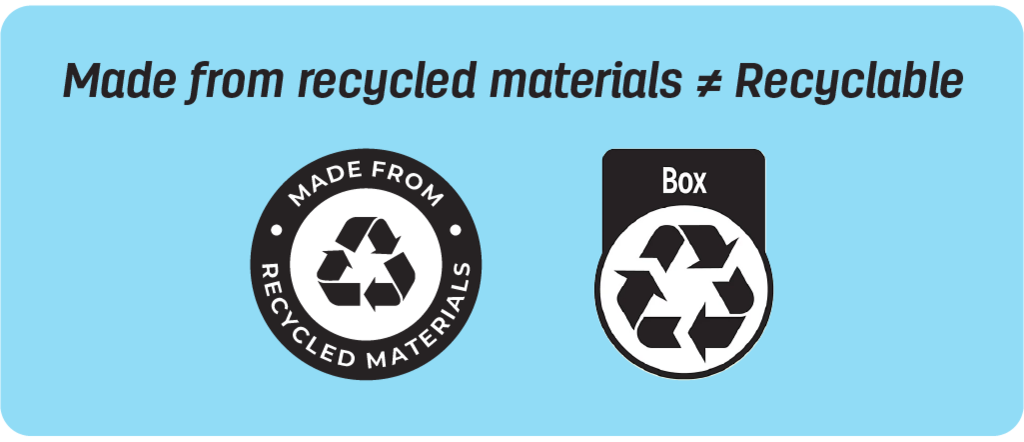
Not all recycling symbols mean the item is recyclable
One of the most common misconceptions is that a symbol with ‘recycling’ arrows automatically means an item belongs in your recycling bin.
Some symbols identify the type of material used to make the packaging, while others provide instructions about how the item should be disposed of.
Always check the recycling instructions on packaging and follow your local council’s recycling guidelines.
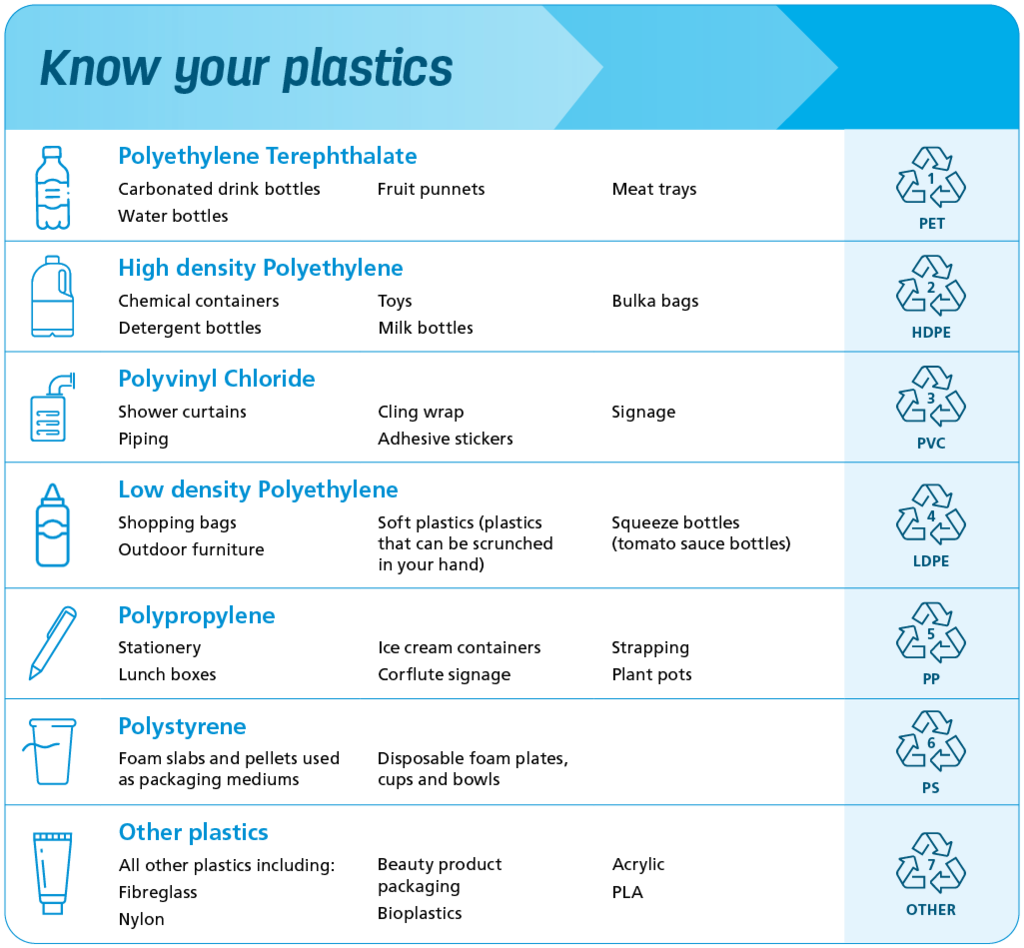
What do the numbers on plastic packaging mean?
The numbers found inside the triangle symbol on plastic packaging are known as Plastic Identification Codes. They identify the type of plastic material (or resin) used, but they are not recycling instructions.
Whether a plastic item can be recycled depends on factors such as the packaging format, available recycling technology and local recycling programs.
Plastic identification numbers
1: PET or PETE (polyethylene terephthalate)
Commonly used for soft drink bottles, water bottles and some food packaging.
2: HDPE (high-density polyethylene)
Commonly used for milk bottles, detergent bottles and cleaning product packaging.
3: PVC (polyvinyl chloride)
Commonly used for pipes, packaging films and some household products.
4: LDPE (low-density polyethylene)
Commonly used for flexible packaging, plastic bags and wraps.
5: PP (polypropylene)
Commonly used for yoghurt containers, bottle caps and takeaway food containers.
6: PS (polystyrene)
Commonly used for foam packaging, disposable containers and protective packaging.
7: Other plastics
Used for plastics that do not fall into the categories above, including some mixed-material packaging.
The recycling label Australians should look for
The Australasian Recycling Label (ARL) helps provide clearer instructions on how to dispose of packaging correctly.
The ARL helps identify what parts of packaging should be:
- Recycled
- Placed in general waste
- Prepared before recycling, such as removing a lid or separating packaging components
Checking the ARL before placing packaging in the bin is a simple way to help reduce contamination and make sure materials have the best chance of being recovered.
Why soft plastics cause confusion
Many Australians want to do the right thing when they recycle. But when it comes to soft plastics, good intentions can lead to “wishcycling” – placing items in the recycling bin hoping they can be recovered.
Cleanaway’s 2026 Recycling Behaviours Report found 49% of Australians incorrectly place soft plastics, such as wrappers, packets and bags, into household recycling bins.
Unlike rigid plastic bottles and containers that can be processed through existing household recycling systems, soft plastics require specialised collection and processing pathways to be recovered effectively.
Cleanaway is working with industry partners to help develop future soft plastics recovery solutions and support Australia’s move towards a more circular approach to packaging.
Tips to help get recycling right
Before placing an item in your recycling bin:
- Check for recycling instructions on the packaging.
- Look for the Australasian Recycling Label.
- Keep soft plastics and non-accepted materials out of household recycling bins.
- Follow your local recycling guidelines.
Small actions can make a big difference in improving recycling quality and helping more resources stay in use. Visit our A-Z recycling guide to learn more about what goes in which bin or visit our interactive e-learning education platform Greenius.
Building a more circular future
Recycling correctly starts with understanding what packaging labels are really telling us.
By checking symbols, following disposal instructions and knowing what belongs in each bin, Australians can help improve recycling outcomes and keep valuable materials in use for longer.
Learn more about Australia’s recycling habits and opportunities for improvement in Cleanaway’s 2026 Recycling Behaviours Report.
Download the 2026 Recycling Behaviours Report