

About
Laboratory and research
GMO waste solutions
When you’re working with genetically modified organisms (GMOs), you need complete confidence that your waste collection, disposal and documentation systems are secure and compliant. Cleanaway’s specialist GMO waste services give laboratories, universities, research facilities and biotech companies the assurance that every step in the waste management process meets the highest safety and regulatory standards.
Cleanaway provides a full-service solution for the secure containment, transport, treatment and traceable destruction of GMO waste. Our expertise and experience helps facilities mitigate the health and environmental risks associated with GMO disposal, as well as meet the strict requirements of the Office of the Gene Technology Regulator (OGTR), EPA and institutional biosafety regulations.
GMO waste includes any materials containing or exposed to genetically modified organisms. GMO waste may overlap with other categories such as clinical, cytotoxic or sharps waste and must be handled as a separate regulated stream.
Genetically modified organism materials
Includes genetically modified plants, seeds, tissues, and biological samples requiring secure containment and disposal to prevent environmental release.


Contaminated equipment and packaging
Covers Personal Protective Equipment (PPE), tools, containers, and packaging materials contaminated with GMO residues that must be managed as regulated waste.

Service
Who we support
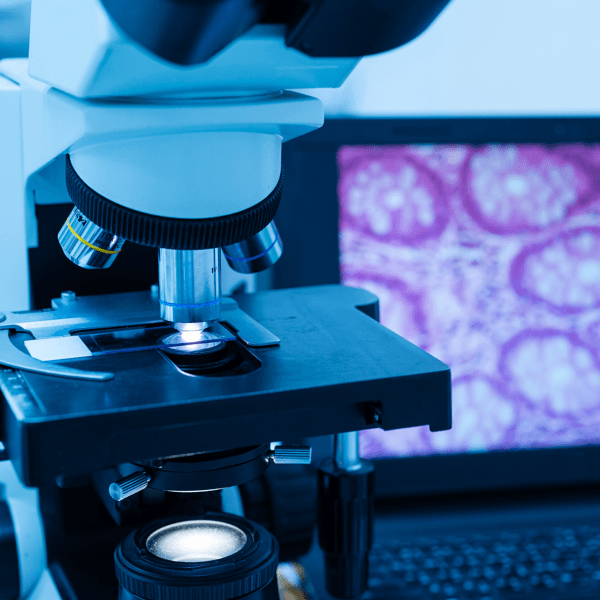
Laboratory GMO waste
Waste produced primarily from culture work and molecular biology techniques, including contaminated media, disposable labware, sharps and PPE exposed to GMO

University GMO waste
GMO waste from teaching and research activities, including altered cell lines, plants or tissues, plus small-scale lab disposables and culture media

Research GMO waste
Waste generated from GM research activities, including a mix of liquid, solid and cleanup waste containing modified animals, plants or microbes
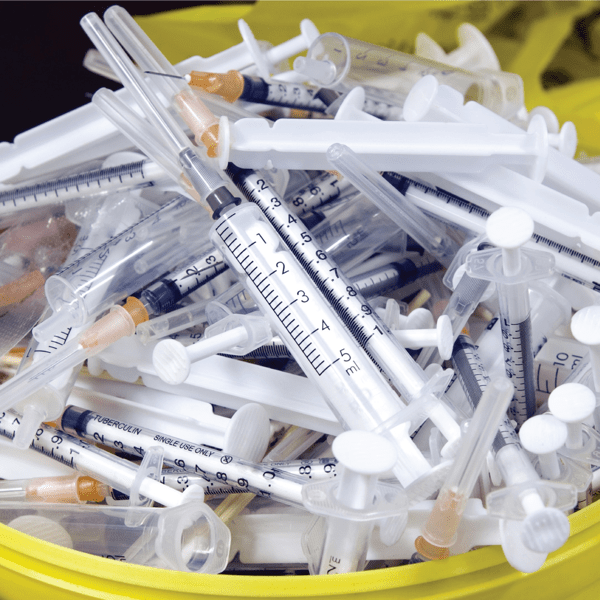
Biotech GMO waste
Large volumes of GMO waste from industrial-scale production and therapeutic applications, including packaging, sharps and materials from gene therapy clinical trials

Expertise
Why responsible disposal of GMO waste is important
Improper disposal of GMO and contaminated materials can lead to environmental, health and regulatory consequences, including:

Process
How we manage GMO waste




Details
Compliant containment systems
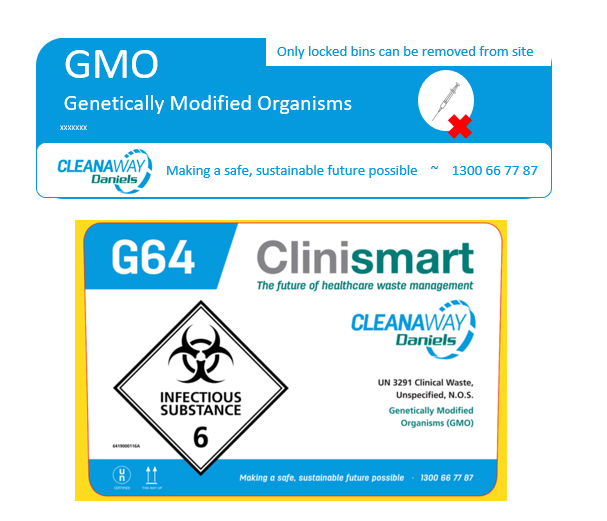
We collect and contain your GMO waste using Cleanaway’s colour-coded, tamper-proof containers specifically designed for Class 1 and Class 2 GMO waste streams
Our range includes:
- Clinismart reusable containment systems for clinical and cytotoxic GMO waste
- Liquid containment vessels for culture media and decontaminated fluids
- Sharpsmart systems for GMO sharps

Output
What happens to GMO waste
Disposing of genetically modified organisms and contaminated materials requires strict protocols to meet OGTR, EPA and institutional biosafety requirements.
Cleanaway complies with these regulations by destroying GMO waste via high-temperature incineration or other approved technologies like autoclaving at licensed facilities. This process ensures full deactivation of genetic material so that it no longer poses a risk to human health and native plants, animals and ecosystems.

Our promise
Why choose Cleanaway

A one-stop solution
We offer an expansive range of services, custom waste solutions and expert support to meet the waste management and resource recovery needs of Australian businesses, councils and industries of any size.

Making a sustainable future possible together
We’re leading the way in sustainable waste management and resource recovery, helping Australia to transition to a circular economy and investing in lasting solutions for the benefit of all Australians – now and into the future.

Health, safety and environmental focus
We implement rigorous controls to safely collect, treat and dispose of waste, minimising the risk of harm to people and the environment while meeting strict compliance standards.
-
Market-leading infrastructure
Our EPA-licensed, state-of-the-art facilities enable safe, efficient waste processing and resource recovery at scale.