Confidence in a circular economy is at an all-time high with Australians now looking to industry for stronger systems, clearer guidance, and better packaging solutions.
Cleanaway and the Clean Energy Finance Corporation (CEFC) have partnered again to explore how Australians think about, talk about, and act on recycling. Now in its fifth year, the 2026 Recycling Behaviours Report provides insights into Australians’ evolving attitudes and behaviours towards recycling, helping to shape waste education, advocacy, and innovations that support improved resource recovery across Australia.
The findings in this year's report reveal a positive shift. With Australians eager to support a circular economy, attention is turning to some of the biggest opportunities in our waste management system, including soft plastics recycling, plastic packaging reforms and Food Organics and Garden Organics (FOGO). Disposal behaviours related to the ongoing industry challenge - batteries and rechargeable devices, were also re-explored (from 2024), uncovering where progress has been made and where gaps remain.
A national soft plastics solution is in high demand
As one of the largest gaps in Australia’s waste system, soft plastics represent a major opportunity to improve landfill diversion, boost resource recovery and support a circular economy.
Our research findings reveal Australians want convenient, reliable and nationally consistent solutions, supported by and delivered through collaboration across government, industry and manufacturers.
Cycleback Plastics: Helping build Australia’s soft plastics recycling future
Cleanaway is working with Viva Energy on Cycleback Plastics, a proposed large-scale, advanced recycling solution designed to help close the loop on soft plastics.
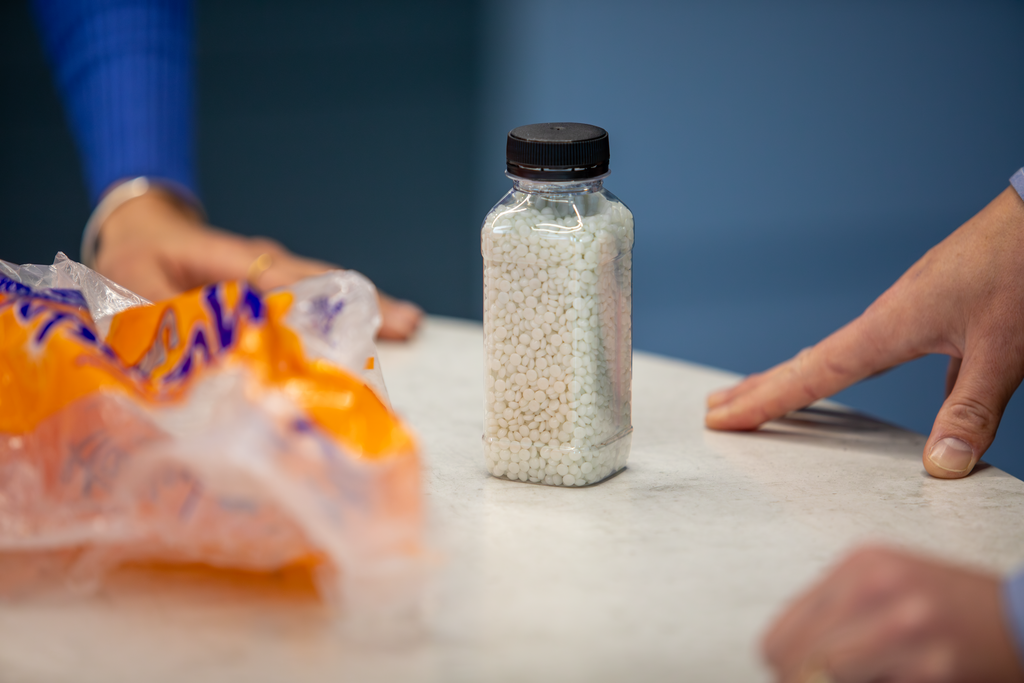
The solution aims to create a pathway where soft plastics can be collected at scale through Cleanaway’s network and converted into feedstock that can support the creation of new recycled plastic products.
Cleanaway has already undertaken collection trials across several council areas and continues to work with industry partners and the Australian Packaging Covenant Organisation (APCO) to drive a reliable, large-scale solution.
The future of this solution is dependent on collaboration across the entire value chain, including policy settings that encourage investment, product stewardship and demand for recycled content in packaging.
Packaging reforms are a clear priority
Australians are calling for stronger action to improve how packaging is designed, recovered and reused.
The 2026 Recycling Behaviours Report shows overwhelming support for a circular approach where materials stay in use for longer.
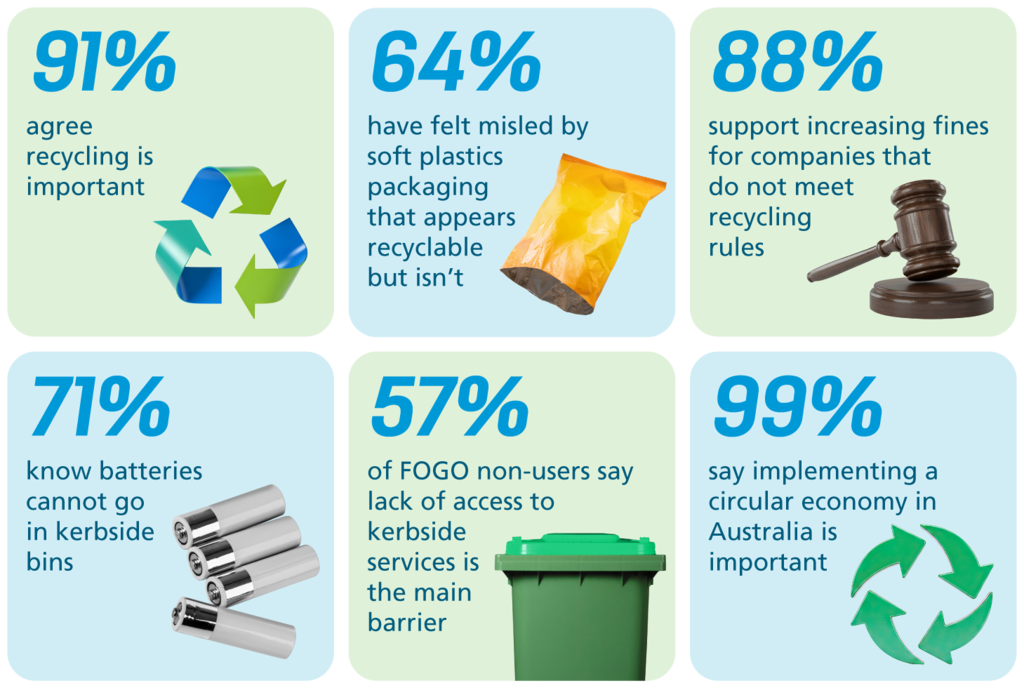
They expect to see manufacturers playing their part and want recycled content to become a mandatory requirement in all plastic packaging.
With Australia achieving only around 20% of the national packaging targets set in 2018 -which aimed for 70% of plastic packaging to be recovered by 2025, it’s time to re-visit what it will take to achieve these goals. Cleanaway continues to support an integrated approach across government, industry, and communities, aiming to align efforts and create the infrastructure required to support a true circular economy.
Australians believe FOGO makes a real difference
For households with access to FOGO services, there is strong confidence in how to use the system and a clear understanding of the valuable role they play in creating a more sustainable future.
Findings revealed the biggest barrier to FOGO participation was not willingness, but access and understanding.
Recycling remains deeply embedded in Australian life
Australians continue to show strong support for recycling and the role it plays in creating a more sustainable future. Support for a circular economy that keeps materials in use through recovery, recycling and reuse is now near-universal (99%, up from 95% in 2024).
What's encouraging about this year's findings is how engaged Australians are. They believe in recycling, they believe in a circular economy, and they're ready to play their part. The opportunity is now in industry, policy makes and manufacturers working together to match that momentum with reforms and systems that reflect this ambition.
Still unsure where it goes?
Recycling correctly starts with knowing what belongs where. From everyday items like cardboard and containers to trickier materials like batteries, soft plastics and e-waste, our A to Z Recycling Guide helps take the guesswork out of disposal. Search by item to find simple tips on how to recycle right and keep valuable resources in use.
Previous reports
Curious about the changes in Australia's recycling behaviours over time? Download our previous reports below.