Our role in making a sustainable future possible
At the heart of Cleanaway are our people, working together and bringing their expertise and commitment to deliver for our customers, communities, and the environment we protect. We play an important role in enabling Australia’s evolving circular economy and in helping our customers protect the environment through their operations, delivering outcomes that support a sustainable future for all.
Every member of the Cleanaway team contributes to making a sustainable future possible by bringing our sustainability pillars to life—reflecting how we deliver on this commitment together.
Our Sustainability Framework pillars
Recovering resources
We play a vital role in enabling Australia’s circular economy, working with our partners to ensure valuable resources are recovered from waste streams and returned to the value chain.
Protecting the environment
As a total waste solutions provider, we prioritise resource reuse, recycling, and recovery wherever possible. When these options are not feasible, we offer safe and responsible, at-scale treatment and disposal solutions.
Reducing emissions
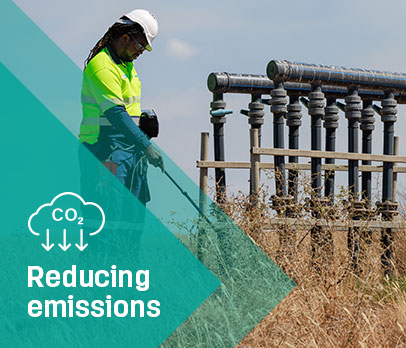
The goal of net zero compels us all to take action to reduce the impacts of climate change. Cleanaway is committed to reducing our emissions and helping our customers do the same.
Working together
To deliver on our mission requires the co-ordinated effort and hard work of our people, suppliers and communities. Together, we fulfil our purpose of making a sustainable future possible together.
Recovering resources
We believe today’s waste is tomorrow’s resource, which is why we are passionate about enabling Australia’s circular economy. Working with our partners, we ensure that valuable resources are recovered from waste streams and returned to the value chain.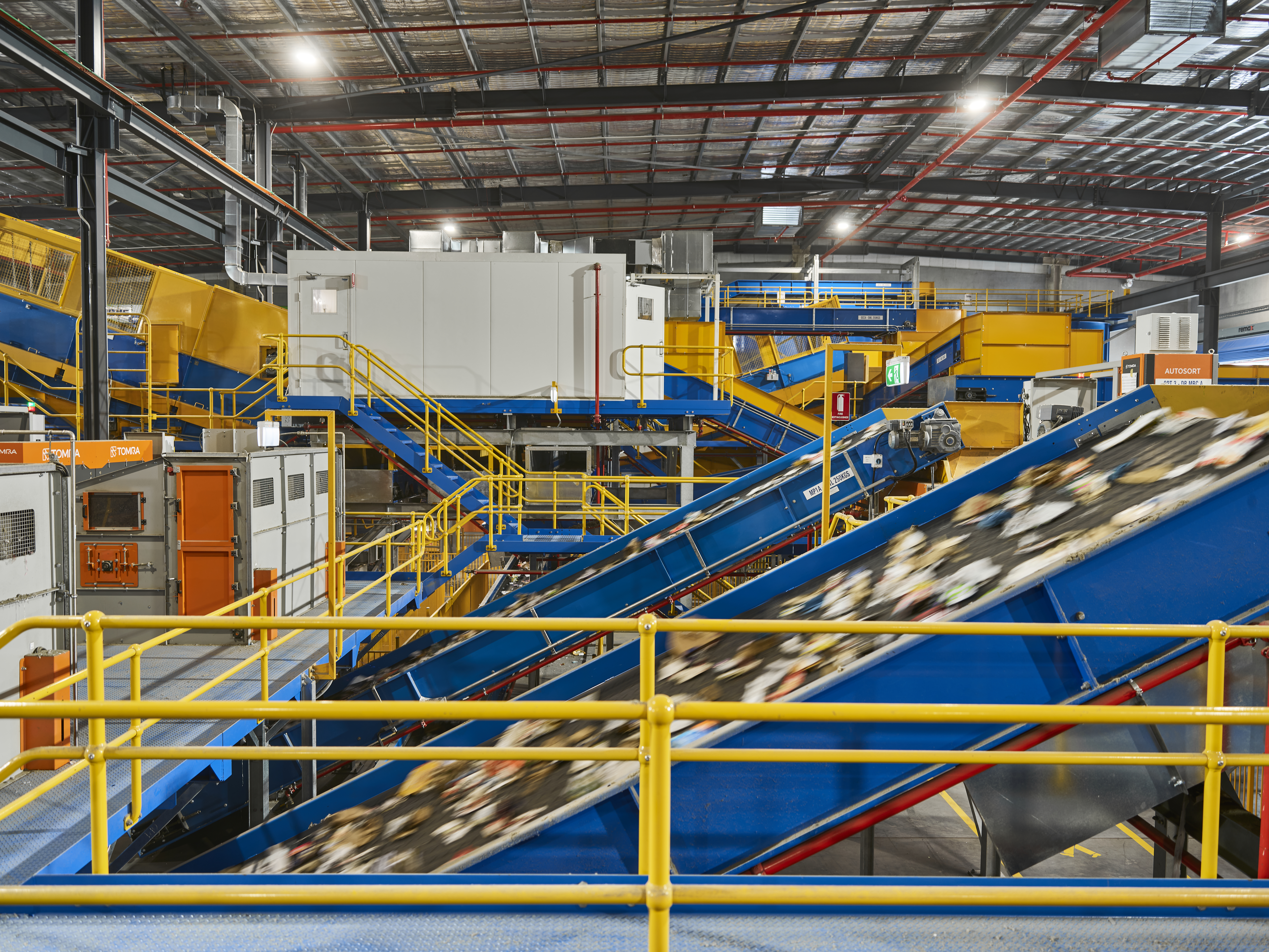
Supporting the circular economy
A circular economy helps keep valuable resources in circulation for as long as possible, encouraging reuse and recycling over a product’s whole lifespan. At Cleanaway, we are helping to close the loop through education, technology, and our innovate waste management and resource recovery services. We have the network and capabilities to deliver these solutions at scale through our customer and industry partnerships, licenced state-of-the-art facilities and strategic assets and technology, and resource-recovery expertise.
Expanding recycling and organics recovery
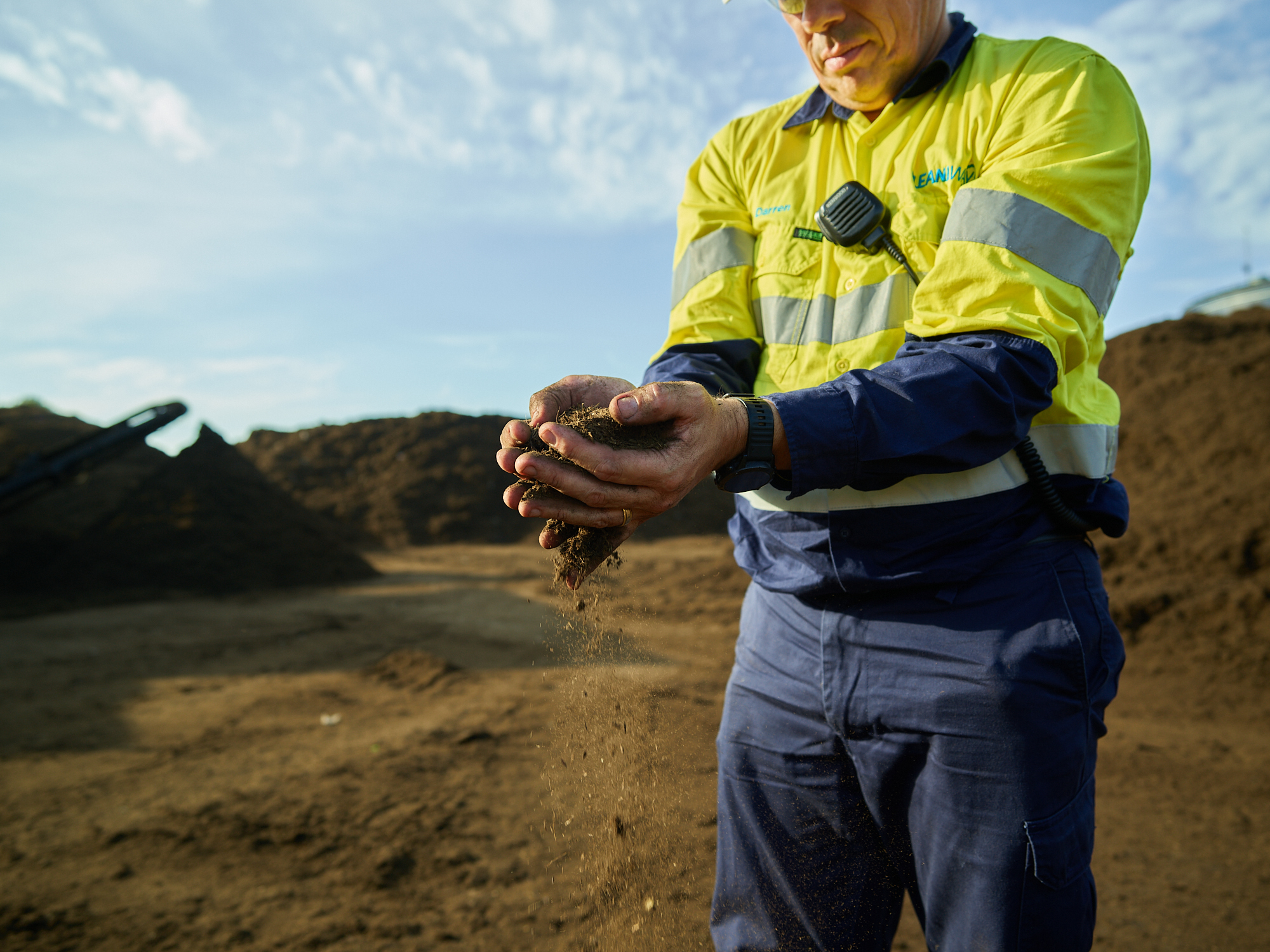
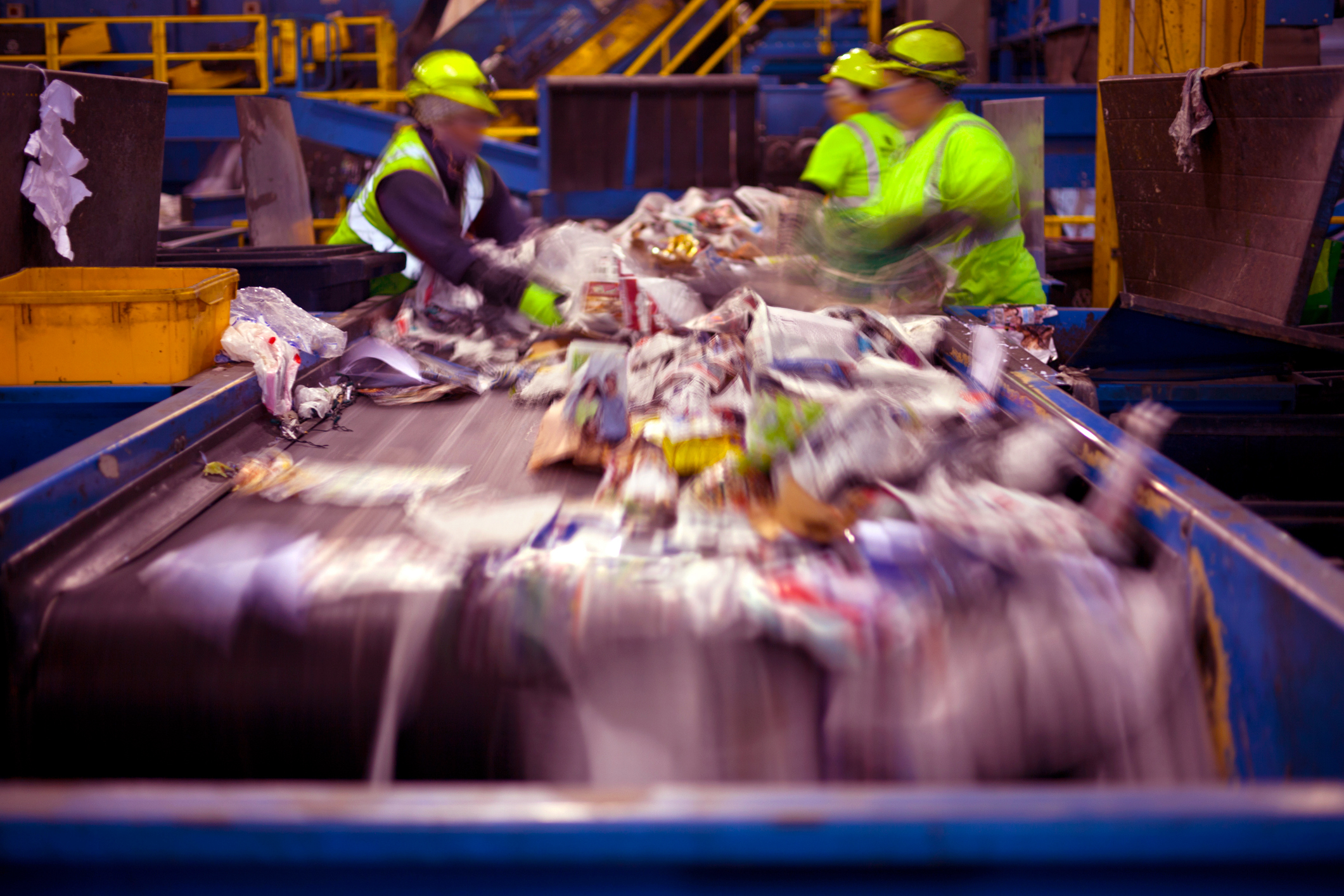
Through the combined effort of our collections and post-collections network, we collect and recover resources such as PET plastic, glass, cardboard and aluminium across Australia. We are investing in technology and increasing our capacity to recover a greater proportion of Australia’s waste streams so they can be re-used, having been recovered and recycled to be used again in the production cycle. This collective activity helps divert waste such as drink containers, food packaging, and food organics and garden organics (FOGO) away from landfill, reducing landfill volumes and enabling their use in recycling, composting, and the creation of new products or energy.
Partnerships for recovered materials
Our commitment goes beyond the recovery of resources. We actively partner with industry partners on sustainable waste solutions to ensure that recovered materials are transformed into commercially viable products. This includes initiatives like creating food-grade recycled plastic from household soft plastics, and creating food- and non-food-grade plastic resins to replace virgin resin in packaging.
Protecting the environment
Cleanaway’s environmental sustainability is centred around responsible waste management. Our operations are designed to prevent harm, manage risk, and safeguard communities. Whether it’s hazardous waste treatment or stormwater controls, Cleanaway applies stringent environmental standards across every site and service.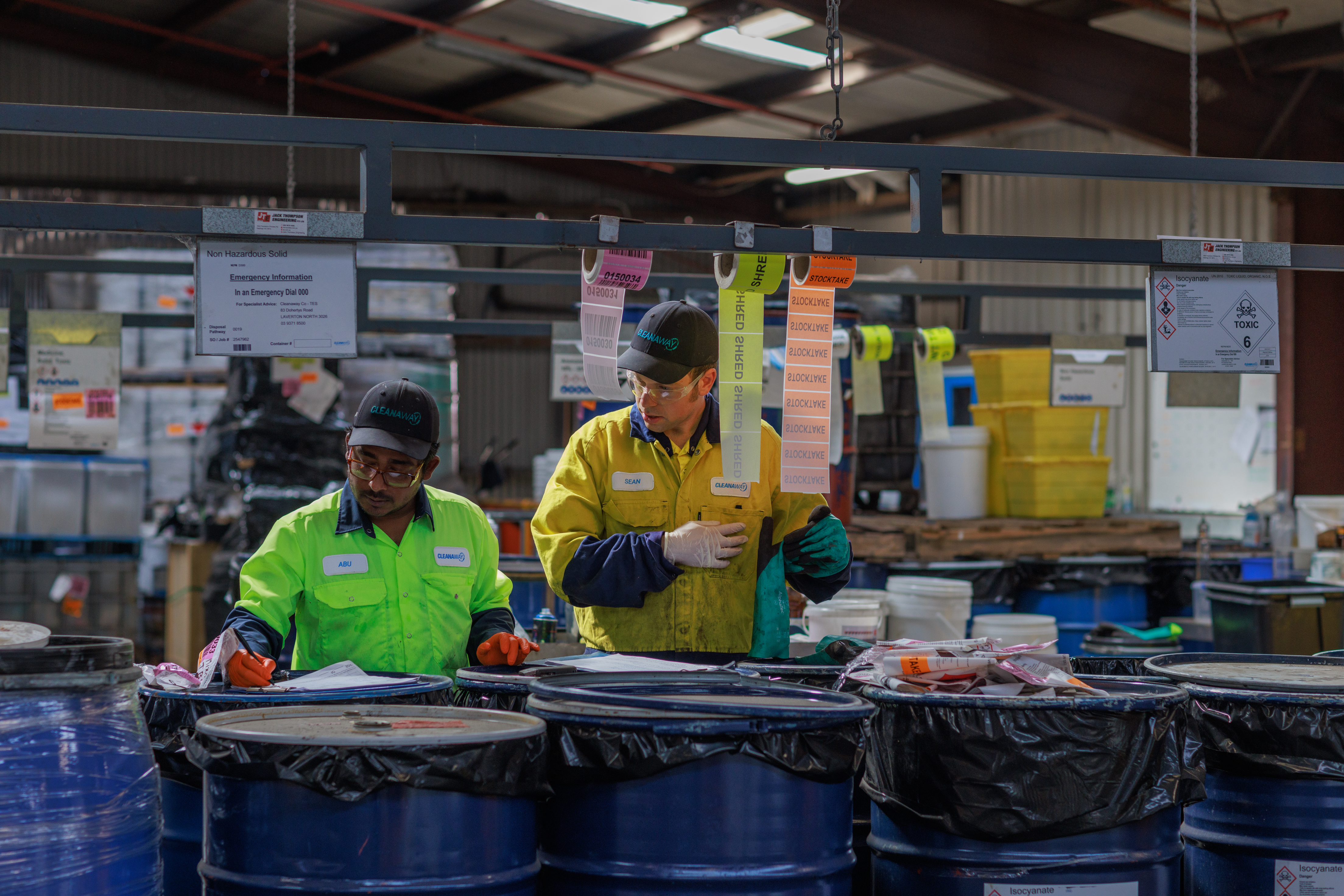
Our licensed and compliant operations
Part of our role as a leader in corporate sustainability in the waste industry means setting the standards for other businesses to strive for. We uphold these high principles by embedding risk management in our daily operations and by complying with applicable laws.
Investment in environmental safeguards
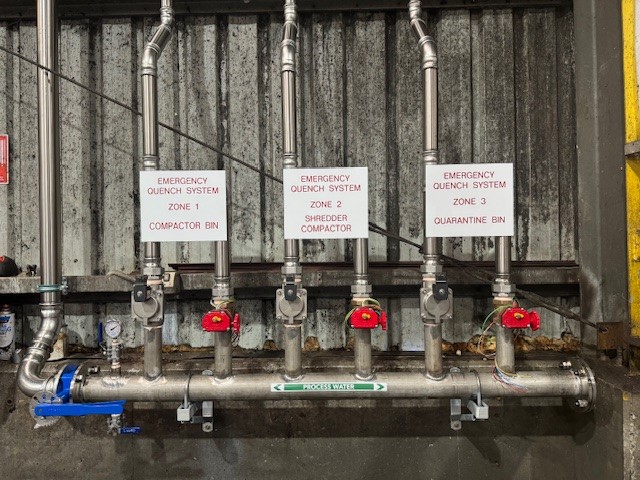
We believe that prevention is better than cure, which is why we’ve taken steps to implement robust safeguarding systems to avoid incidents. One such measure is fire detection, and we have invested in industry-leading fire monitors and rolled out risk reduction projects at high-risk facilities. We’ve also taken steps to address runoff management, to prevent dirty or polluted water from entering our drains or rivers and contaminating the system.
Continuous monitoring and improvement
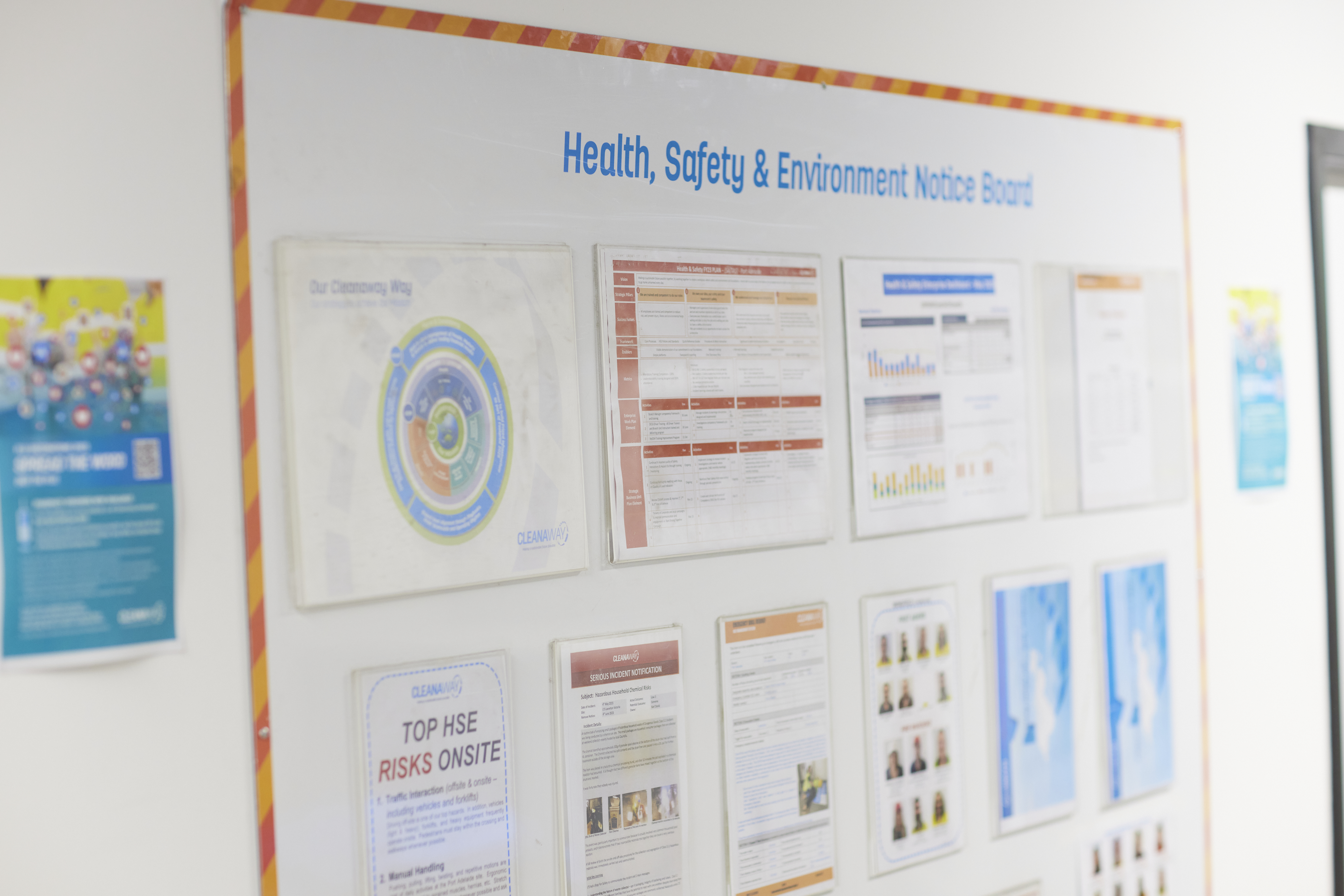
We are continuously reviewing and improving how we manage environmental risks, to prevent incidents and ensure compliance. We have a number of frameworks, processes, and policies to support this, including our Health, Safety and Environment (HSE) strategy and roadmap, HSE Critical Risk Program, and Environment Standard and Guidance.
Reducing emissions
We are proud to be actively reducing our carbon emissions through our efforts to reduce our greenhouse gasses, while enabling climate resilience, and helping our customers to do the same.
As part of our goal to be a leader in waste industry decarbonisation, we are working to reduce our emissions across our landfills, transport, and facilities. We are committed to achieving net-zero Scope 1 and 2 emissions by 2050 and in doing so achieve our 2030 interim targets.
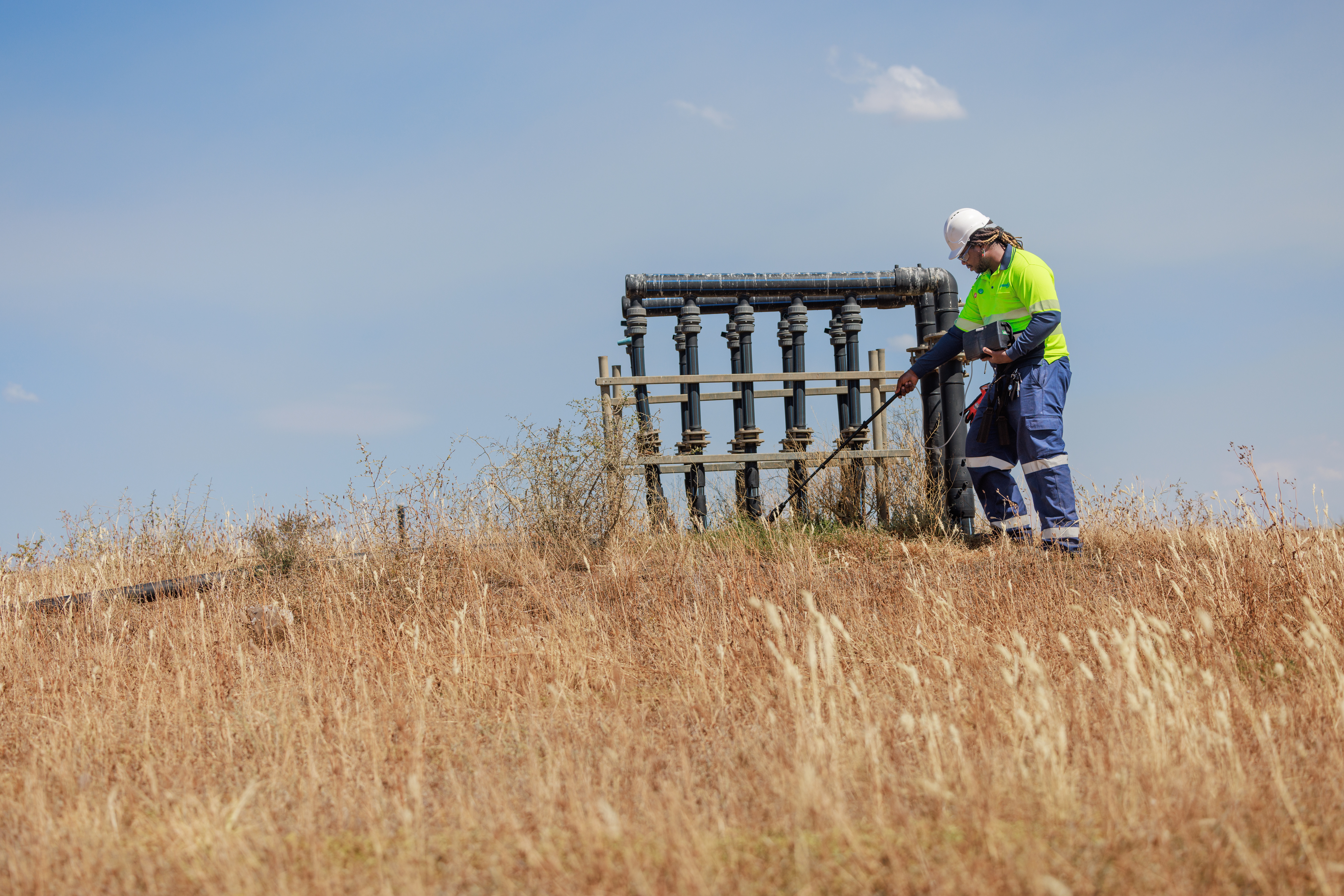
Capturing landfill gas and exploring renewable energy recovery
We prioritise reducing greenhouse gas emissions that are both readily addressable and material to our footprint. We are actively reducing methane emissions from our landfills through advanced landfill gas capture technology. We are fortunate to play a role in Australia’s energy-from-waste (EfW) future. This is a solution for safely and responsibly managing waste that can’t be reused, recovered or recycled. Creating an EfW plant takes many years and extensive government and community consultation, and we are progressing the long lead time activities required for commissioning an EfW plant.
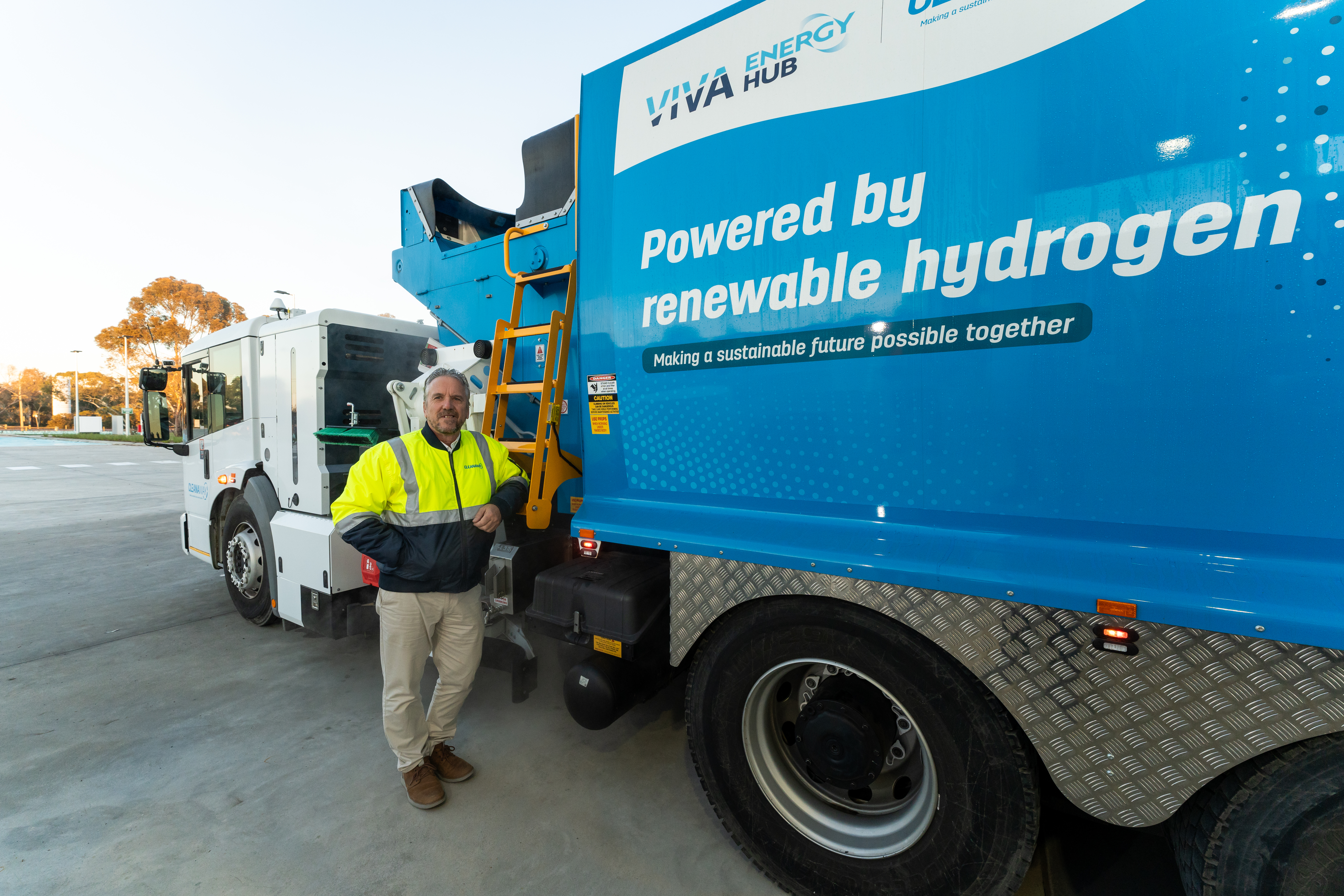
Fleet innovations
We are exploring innovative, fit for purpose solutions to decarbonise our fleet in line with customer goals and the Australian Government’s emissions targets. In 2024, we partnered with Viva Energy to complete a HVO100 demonstration using renewable fuel made from hydrotreated vegetable oil. The trial delivered valuable insights for the potential development of a low carbon liquid fuels industry in Australia. We also led a successful hydrogen truck trial to understand how hydrogen vehicles perform in real operating conditions and to build our practical knowledge of the technology. Alongside alternative fuels, we are reducing fuel consumption through smarter operations. This includes investing in digital route planners, data analytics platforms and a branch-led operating model that gives local managers the tools and technology to optimise route planning and fleet utilisation.
Working together
We know that sustainability is a team effort. To deliver on our purpose, we require the co-ordinated effort and hard work of our people, suppliers, and communities.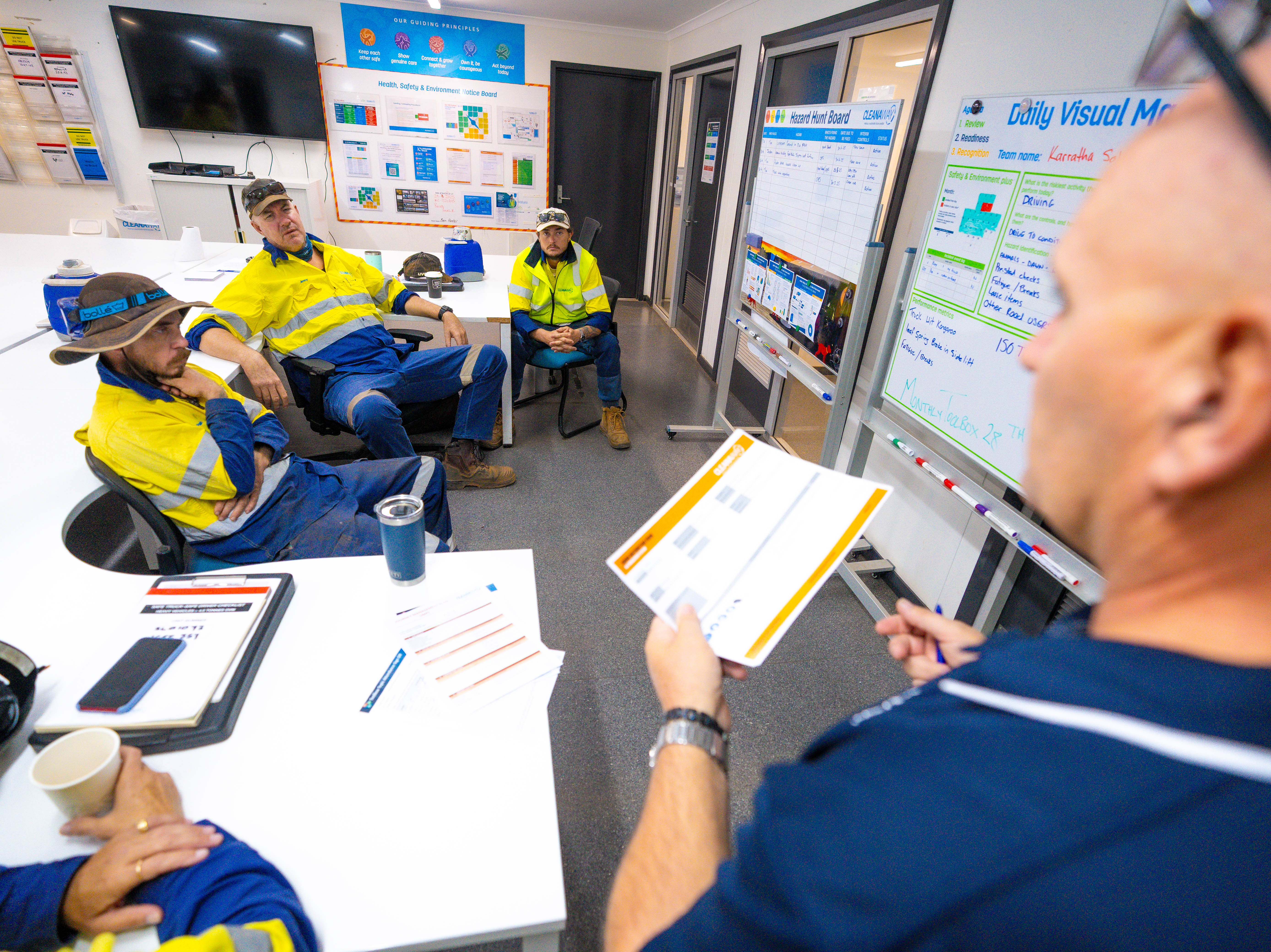
Our culture of safety
At Cleanaway, our first Guiding Principle, ‘Keep each other safe’, covers physical, psychological, and process safety, and the protection of the environment. In 2023, we introduced our five-year Health, Safety and Environment (HSE) strategy and roadmap, and our HSE Culture Framework, to drive improvements in our performance. We also deliver regular HSE programs to our team.
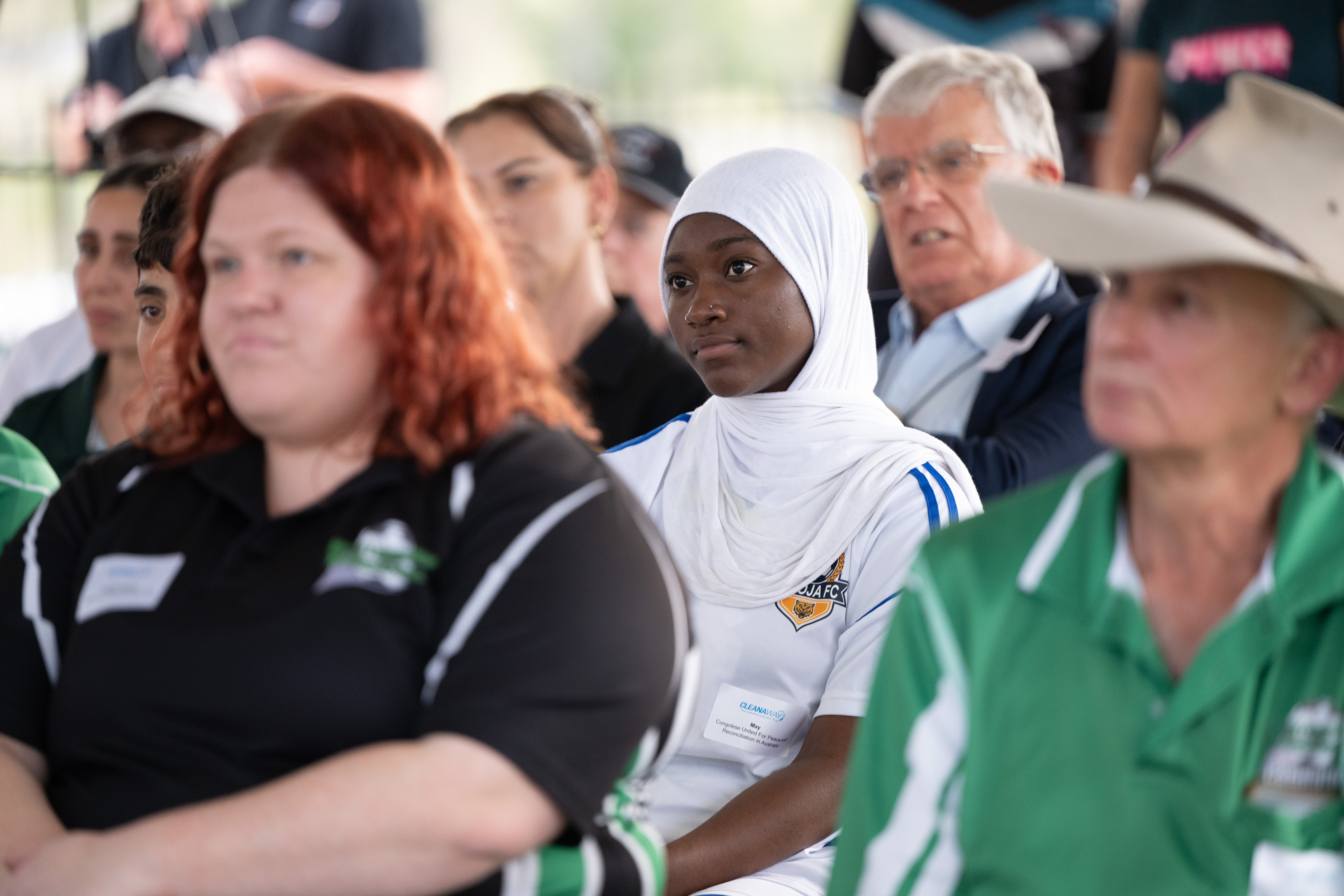
Supporting our communities
We strive to play an active role in our communities, providing value and supporting engagement through education for schools, businesses, and customers. Our education programs aim to drive confidence in sustainable recycling programs, promote and encourage the right recycling practices, educate on how we maximise diversion from landfill, and promote a greater understanding of the circular economy.